
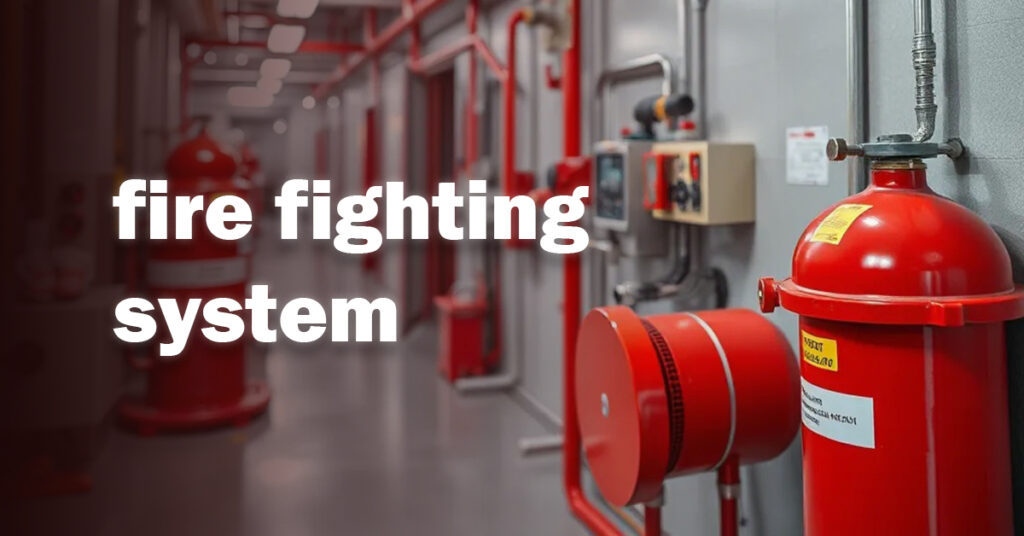
Safety systems should not be an afterthought but part of evolving modern structural engineering systems. It is very important that a certified fire fighting system be activated in the quickly expanding urban and industrial areas of Egypt, especially in the New Administrative Capital, Giza, and Cairo for protecting their structural integrity and human life.
With more than 6 years of experience and more than 120 successfully insured projects, we ensure that every fire protection system is properly commissioned and complies with local Civil Defense codes and international standards.
What Is a Fire Fighting System?
A firefighting infrastructure in the context of structural and safety engineering is a system that combines different parts of detection, alert, suppression mechanisms, and others working together. For project managers looking to reduce structural risk prior to it becoming an uncontrolled fire emergency, understanding the exact parameters of a fire fighting system will be a critical part of the job.
An automatic fire fighting system can mitigate almost drastically the local combustion spread and damage caused by manual firefighting operations, resulting in drastically reduced response time. The installation does not simply manage a flame; rather, this is a fire management system that closely interacts with the other electromechanical systems in the building to control smoke and power distribution and to help ensure the occupants’ safe evacuation from the building.
Main Components of a Fire Fighting System
The overall effectiveness of a safety system is determined by the structural integrity and certified performance of the main components of the system. Their ability to communicate trustfully under stress is instrumental to the efficiency of the system.
Pumping Station
A pumping station used to provide an automatic equilibrium between hydrostatic pressure in the layout, featuring a combination of electric, diesel and jockey pumps; it is the heart of a hydraulic system.
Piping Infrastructure
These networks are comprised of high quality grade galvanized steel or chlorinated polyvinyl chloride (CPVC) and are engineered utilizing exact hydraulic examination and calculations to stand up to unpredictable force surges.
System Valves
Gate valves such as Outside Screw and Yoke (OS&Y) valves give positive indication of whether a flow line is open or closed, which can result in the unplanned shutdown of water systems.
Detection Loop
This is a system made up of detectors connected to the central panel that can be addressed and, in return, return continuous digital diagnostics in real-time enabling safety operators to determine the precise room under a potential hazard.
Read More: Check Valve Types
Types of Fire Fighting Systems
Determining the right fire suppression system depends on the building’s fuel loads, structure and environmental factors.
Wet-Pipe Sprinkler Systems
These are most commonly used for office buildings, retail facilities and residential buildings where water is kept inside the sprinkler system piping at pressure, ready for instant discharge when the system is activated.
Deluge and Pre-Action Systems
Deluge systems open sprinkler heads and flood solely the area, which is great for high risk industrial units. Pre-action setups use a two-way check (smoke detector & thermal bulb) to release water, ensuring that water is not released with the false alarm in an expensive IT environment.
Foam Systems
These systems are designed for fuel storage tanks, chemical processing facilities and oil refineries and introduce a foam concentrate that covers flammable fluids to suppress the oxygen intake.
Clean-Agent Gas Systems
Chemical agents (such as FM-200, Novec 1230 or carbon dioxide) are also essential in the design of the complete fire protection solution for the special categories of rooms, such as industrial control rooms and archives where damage by water can be irreversible.
How Fire Fighting Systems Work
When smoke or thermal sensors are first detected, they send a digital signal to the addressable panel. Then, the panel carries out an automatic procedure, it separates the damaged electrical zones, closes mechanical HVAC ducted ventilation to impede the spread of smoke and starts the evacuation alarms.
These heat-based liquid bulbs in the sprinkler heads will burst due to the rising temperature of the surrounding environment, thus releasing water. This reduction of hydrostatic pressure on the piping causes the jockey pump to start. If the pressure loss persists because of several open sprinklers, the main electricity-powered or diesel-powered sprinkler pump(s) will open automatically.
These high capacity pumps maintain pressure on the automatic fire fighting system to maintain a reliable flow of water until the system can be shut off manually.
NFPA Requirements for Fire Protection Systems
Requirements for compliance against a fire protection system are very specific and are defined by the National Fire Protection Association (NFPA) codes, which determine the minimum acceptable design and installation standards. Let’s see the terms of these standards:
- NFPA-13 (Standard for the Installation of Sprinkler Systems): This is the international standard for arrangement configuration, which includes a maximum sprinkler spacing and required calculations on hydraulic parameters to match those of the building’s hazard classification.
- NFPA 14 (Standard for the Installation of Standpipe and Hose Systems): In addition, it lays out the layout of high-pressure wet and dry standpipes to give the emergency responder immediate access to an adequate amount of water in case of a structural fire.
- NFPA 20 (Standard for the Installation of Stationary Pumps for Fire Protection): Provides guidelines for the setup of fire pump rooms, pump controller certification, and fuel supply safety to ensure pumps are ready to operate in a fire.
- NFPA 25 (Inspection, Testing, and Maintenance of Water-Based Fire Protection Systems): This is the only standard that does not include a retroactivity clause, and therefore, all systems must be continually upgraded to conform to the current system inspection baseline.
Common Applications in Commercial Buildings
Commercial structures should be configured to accommodate specific structural occupancies. Zoned standpipe loops, pre-action sprinklers, and an addressable smoke evacuation network must be installed in high rise office buildings. Healthcare protection systems should be compatible with the NFPA 99 requirements so that no interruption in life support services or medical gases can occur during a fire.
For areas where equipment protection is necessary, like server rooms and data centers, a unique gas-based fire protection system is required to avert equipment damage. New industrial projects and mega buildings are linked to commercial fire fighting systems which are in turn connected with the building management systems, enabling alarm coordination with building elevators, exit route indicators and emergency lights.
Princeton School and the Ministry of Interior’s Crisis Management Building at the New Administrative Capital are successful examples.
Read More: The Difference Between Wet Barrel and Dry Barrel Hydrants Explained
Inspection and Maintenance Requirements
Preventative maintenance is the main procedure for any fire fighting system as defined by the worldwide insurers to make sure it is always ready. Read the following table to know the exact maintenance frequency for each system:
| Frequency | Target System | Procedure |
|---|---|---|
| Monthly | Fire Extinguishers and Cabinets | Verify gauge pressure, seals, and unobstructed access |
| Quarterly | Control Valves and Ball Drips | Conduct functional rotation and verify tamper switch alignment |
| Annually | Main Fire Pumps and Diesel Units | Run full flow-rate tests and evaluate pressure delivery |
| Five-Year | Internal Piping and Hydrostatic Loops | Conduct internal pipe inspections for corrosion and sludge |
Common Installation Mistakes
- Using undersized branch lines (e.g., 25 mm pipes instead of 32 mm) in a fire fighting system, which restricts water flow during activation.
- Failure to install control and check valves in the proper orientation, totally blocking water supply.
- Use of improperly matched pipe flanges causing mechanical stresses and pressure leaks.
- Failure to install enough breaking air release valves (BARVs) with air pockets in place leads to water hammer and insufficient sprinkler output.
- Using non-certified valves and fittings to cut costs, resulting in frequent jams and failures.
Working with experienced partners ensures a reliable fire protection system and avoids these costly errors.
The decision to invest in a dependable fire fighting system requires a thorough understanding of civil defense standards, engineering standards and material quality. A high performance fire protection system protects lives and assets and keeps operations going.
In cooperation with Habikon Egypt, we will offer a secure and complete service, delivering certified products and strict NFPA requirements with expert design, supply and maintenance services all in one place. This ensures the safety and code compliance for the facilities of Egypt and the rest of the world in the long term.