
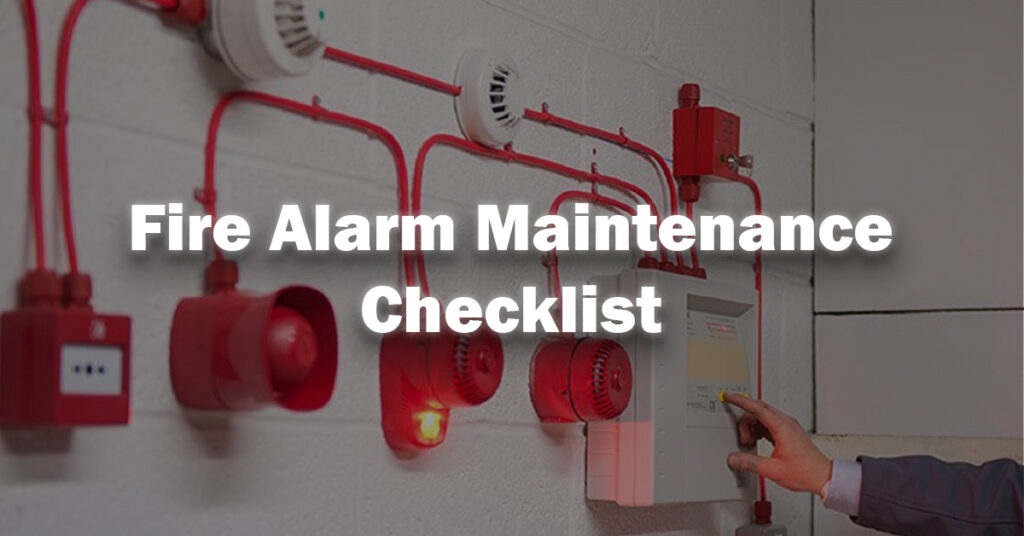
In any structure, whether it is a commercial building or an industrial building, it requires a dependable barrier against smoke and heat. Today’s life safety networks are silent sentinels, and they can only provide protection if there is a regular fire alarm maintenance checklist.
With a dependable supplier and contracting firm like Habikon, we offer specific electromechanical design solutions and certified services to maintain the optimal condition of these life saving systems. You will discover the safest techniques for protecting your home without compromising the worldwide safety guidelines.
Importance of Fire Alarm Maintenance
The fire alarm maintenance checklist offers a number of key operational benefits including:
- Early and early enough notification for a building’s occupants when a blue smoke or heat alarm occurs will give them the few minutes required to evacuate safely.
- When the sensors are working correctly and the detector chambers are clean, fewer false triggers might occur to prevent civil defense fines and expensive disruptions in the business.
- Every commercial and industrial building is obligated to make a schedule for fire alarm maintenance as a legal requirement.
- If the property has high value, severe damage to the structural parts in addition to heavy losses of items will be prevented if the alarm network is operational right away.
- There is a cost benefit to facilities that can prove they have a proactive and professional fire alarm testing checklist for their insurance underwriter.
Daily Fire Alarm Inspection Checklist
This basic daily check is the base of an effective fire alarm maintenance checklist as it confirms the equipment’s main panel is functioning with no active errors. A specific staff member on duty shall visually check the primary fire alarm control panel and ensure the power LED is illuminated in a steady green color, signifying normal AC power.
They will be required to check that no trouble or supervisory light is illuminated and that the panel is normal. In addition, the normal working schedule involves checking every day whether the panel enclosure has been cleaned, and all manual pull stations in the building are kept free and clear.
Read More: Fire Alarm System Design Requirements
Weekly Maintenance Checklist
For weekly fire alarm inspection checks, following a standard operating procedure should include the following activities:
- Test the basic control panel to ensure the correct working of all fuses, lamps and LEDs.
- Inspect the fuel level and start-up status of the backup engine-powered generator.
- Inspect all unmonitored systems to ensure there are no trouble and/or fault conditions that could be present but are not detected.
- Check to see that the physical space around the primary panel is free of dust and storage obstructions and is dry.
Monthly Testing Procedures
This monthly inspection should include the on-site staff turning on at least one manual pull station so they can check to see that a sound is heard across the facility and that a signal is being communicated to the alarm panel. They should also inspect any backup battery connections for corrosion, swelling or leakage.
Record the results of these monthly tests on a daily basis; it is essential that these records can be provided in the event of an official testing audit. Compliance and safety dictate that building operators perform a monthly fire alarm testing checklist in order to ensure devices are working properly and responding.
Read More: Types of Smoke Detectors | Complete Guide to Fire Detection Systems
Quarterly Inspection Requirements
The quarterly fire alarm maintenance checklist includes the next inspections:
- Test all alarm devices for water leakage and all supervisory signal devices for physical condition, and ensure proper attachment.
- Ensure the system control valves are correct in their open positions or they are locked or supervised electrically.
- Look at the optical lens of radiant energy or flame detectors to make sure it is unobstructed and clear.
- Verify safely and quickly the communication links of the control panel with the supervising station.
Annual Fire Alarm Testing Checklist
The fire alarm testing checklist is one necessity, a biyearly test that makes sure the system is operating flawlessly and strictly to the NFPA 72 codes. Let’s take a look at the main steps:
- Control Panel: Check backup battery operation and for any system error lights.
- Sensors: Trigger 100% of smoke detectors and sample heat detectors.
- Manual Pulls: Test manual triggers by pulling out levers in each zone.
- Alarms: Check all horns, bells and flashing strobe lights.
- Integrations: Check that doors close, elevators recall, and fans stop.
- Monitoring: Make sure that the emergency signals are reaching the off-site dispatch center.
- Records: Make sure to keep records and present compliance records with local authorities.
Read More: Automatic Fire Sprinkler System | NFPA-Compliant Fire Protection
Common Problems Found During Inspections
These are some common problems that operators can identify before the system fails if they are on the fire alarm maintenance checklist:
- To ensure standby power is available, all stand by lead-acid batteries need to be replaced every 4 years.
- Dust and dirt building up inside the detector chambers result in frequent nuisance alarms and overspray from paint causes false alarms as well.
- Renovations to the office or storage can make strobe lights or manual pull stations inaccessible, which diminishes safety.
- Variations in humidity and temperature can lead to corrosion of electrical contacts and intermittent fault signals.
- Panels that are somewhat older may have compatibility issues with the devices, necessitating the upgrade to the newer addressable systems.
NFPA 72 Maintenance Requirements
Per NFPA 72 requirements, a fire alarm maintenance checklist includes regular inspection, testing and maintenance by qualified staff to assure reliability of operation. These activities include monthly visual inspections and the running of annual full-system functional and sensitivity tests.
Scheduled Frequencies
- Monthly: Check control panels, batteries and trouble symptoms.
- Semi-Annually: Test the working of initiating devices and notification appliances.
- Once a year: Conduct full functional testing, battery load and sensitivity testing.
- Every 5 years: Replace secondary batteries in smoke alarms as required and test sensitivity of smoke alarms.
Core Requirements
- Battery Maintenance: Monthly visual and annual load testing.
- Detector Cleaning: Clean and recalibrate in accordance with the environment.
- Sensitivity Testing: Check detectors to make sure they function within known limits.
- Record Keeping: Allows in-depth tracking on site for AHJ.
Read More: Check Valve Types: Complete Guide for Piping and Fire Protection Systems
Best Practices for Long-Term System Reliability
Implement these best practices in your fire alarm maintenance checklist:
- Use a qualified contractor, such as Habikon, to provide complete professional testing and civil defense certification.
- Maintain an ongoing record of all inspection results (daily, weekly, monthly & yearly) in a detailed and permanent logbook, maintained on the premises.
- Educate the employees on internal security/facility duties regarding their ability to interpret the control panel and be able to report fault codes immediately.
- Cover smoke detectors with plastic or similar sheeting while painting or dusting inside.
- Set up a battery replacement program for older detectors so that these do not reach the end of their useful life.
Just as a building speaks only when a fire alarm is sounding, using a structured fire alarm maintenance checklist and expert technicians for maintaining the system will maintain the safety of the building. Give us a call now to get a complete fire alarm inspection checklist audit and have peace of mind.